
Prevention
HELP US KEEP OKANAGAN WATERS ZEBRA, QUAGGA AND GOLDEN MUSSEL FREE!
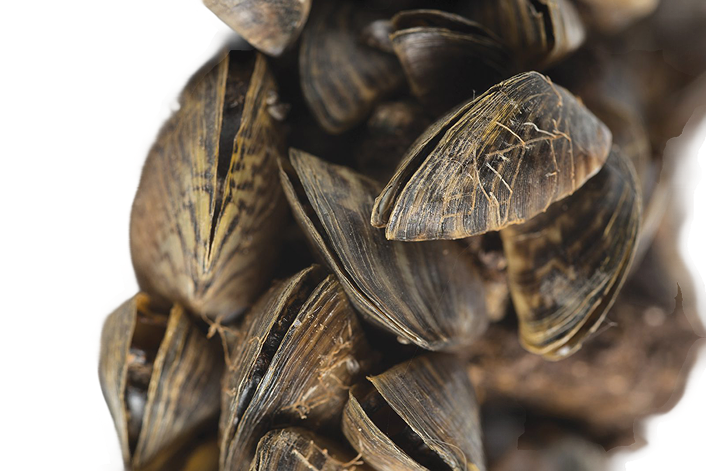
Preventing invasive mussels from entering and infesting Okanagan waters starts with personal responsibility and proactive action.
To make it easier for both visitors and residents to do their part, the Okanagan Basin Water Board (OBWB) has created a simple, step-by-step Responsible Recreation Checklist, designed to help anyone with watercraft take the right actions to protect our lakes.
RESPONSIBLE RECREATION CHECKLIST.
Whether you’re just visiting to make beautiful memories or live in this stunning region, stopping invasive mussels is everyone’s responsibility.
If you own watercraft, including boats, kayaks, paddleboards and fishing gear, ensure to check all the boxes on the Responsible Recreation Checklist when enjoying the Okanagan’s waterways.

PLAN AHEAD
Plan your route to pass by ALL provincial watercraft inspection stations.

STOP AT ALL INSPECTION STATIONS
It’s mandatory and helps protect our waters.

Pull the Plug, It’s the Law
Drain all bilges and compartments on land—it’s the law in B.C.

Clean. Drain. Dry. – Every Time
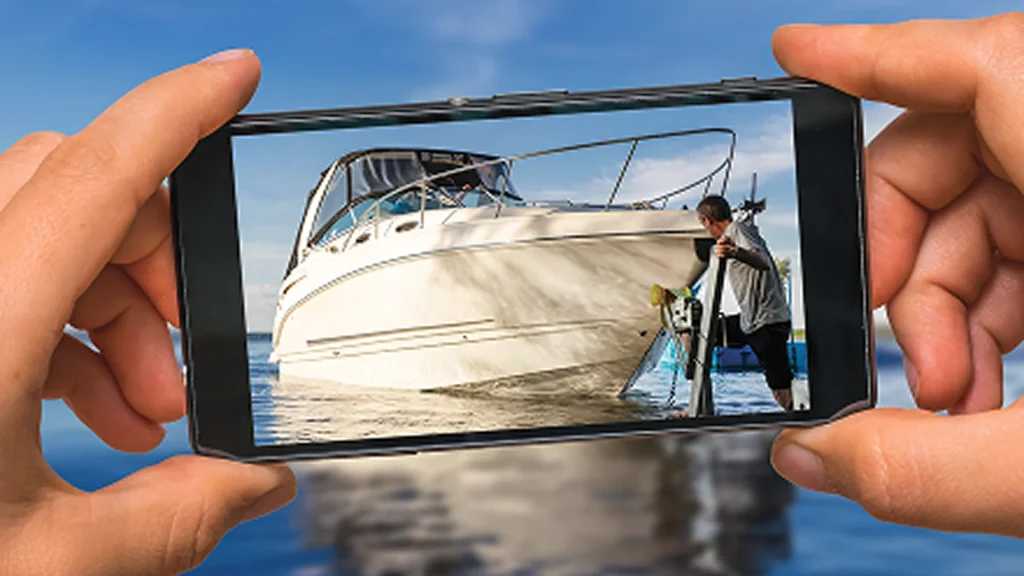
Boats, gear, paddle-boards – every trip, every time. Use the Boat Inspection Checklist below for the Clean. Drain. Dry. protocol to ensure you’ve been thorough.

Rent Here, If Coming From Infested Areas
Visiting from a mussel-infested province or state? Rent watercraft locally instead.
PLAN YOUR ROUTE & STOP FOR INSPECTIONS
When bringing your watercraft (e.g. regular and inflatable boats, kayaks, canoes and paddleboards) into the Okanagan, be sure to stop at all watercraft inspection stations along your route.
In 2025, the Invasive Mussel Defence Program had 50 inspectors operate six watercraft inspection stations and two roving inspection crews. Watercraft inspection stations are located at key entry points into the province along the Alberta and US-Canada Border. Aquatic Invasive Species (AIS) inspector training takes place in early May each year.

What You Should Know
Planning to bring in watercraft from out-of-province? Contact the B.C. Invasive Mussel Defence Program at COS.Aquatic.Invasive.Species@gov.bc.ca to determine if your boat is HIGH-RISK and should be decontaminated for possible Zebra, Quagga or Golden mussels before accessing B.C.’s lakes and rivers. It’s free!
Do not launch the boat into any B.C. waters until you have received instruction from a B.C. Provincial Aquatic Invasive Species Inspector.
Inspection Stations & Fines
There are typically 8 watercraft inspection stations in B.C. – six permanent and two roving.
If you are transporting any type of watercraft in B.C. (boat, kayak, paddleboard, etc.) it is mandatory to stop and report to all provincial invasive mussel watercraft inspection stations along your travel route. Failing to stop at a B.C. inspection station can result in a $690 fine.
If you are hauling watercraft outside of inspection hours, call the 1-800 inspection hotline at 1-877-952-7277 (RAPP).
Additional Penalties
In addition to a $690 fine for failure to stop at an open B.C. inspection station, those hauling watercraft can face the following B.C specific sanctions and Canada-wide sanctions:
In B.C.
Allowing an aquatic invasive species (AIS) to escape for a first-time offender:
fines ranging from $2,500 to a maximum of $250,000; or
a term of imprisonment not exceeding two years;
or both a fine and a sentence.
Failing to comply with an officer’s order to remove mussels from watercraft and equipment for a first-time offender:
fines up to a maximum of $100,000; or
a term of imprisonment of one year;
or both a fine and a sentence.
In Canada
Importing, possessing, transporting, releasing or engaging in an activity that may release AIS is prohibited and subject to fines upwards of $100,000 under the Federal Fisheries Act.
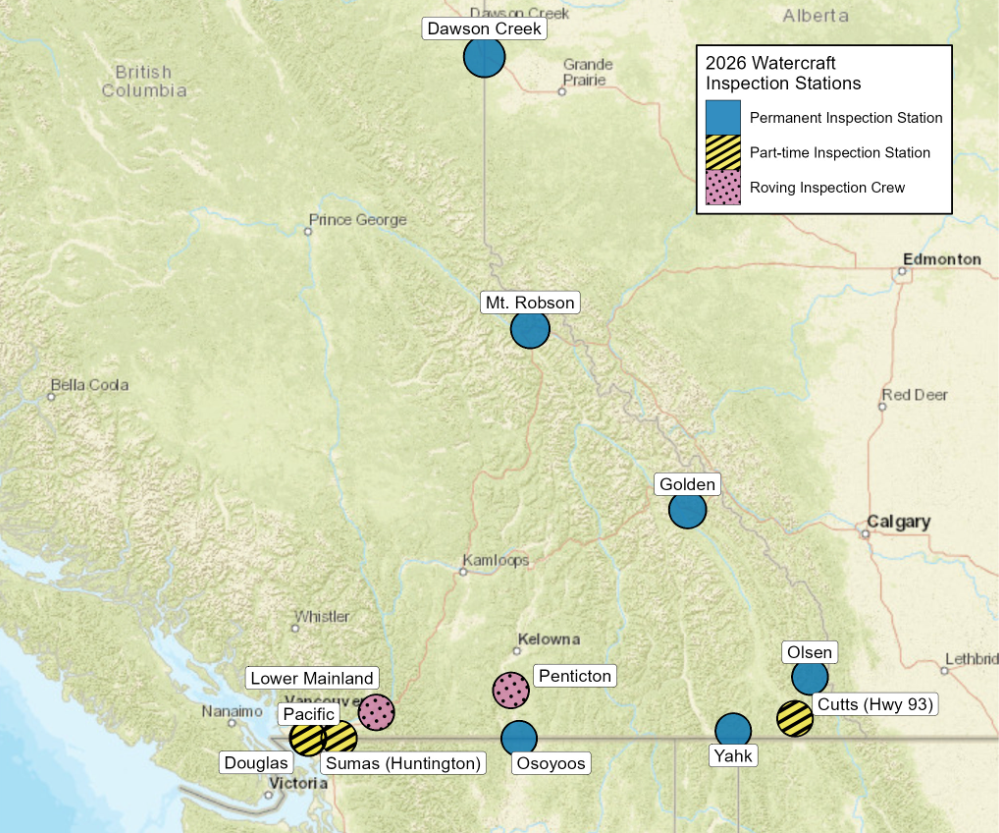
See Inspection Stations Map
Learn more about B.C.’s Invasive Mussel Defence Program.
CLEAN. DRAIN. DRY.
Clean. Drain. Dry. is now part of modern boating and watercraft etiquette in Canada and the U.S. It has been adopted as a best practice by B.C. and several other provinces and U.S. states to prevent the spread of aquatic invasive species.
The Clean. Drain. Dry. procedure is what everyone should do with their water recreation equipment whenever travelling from one lake, river or stream to another, even if it’s a paddle board or just wading boots that have gotten wet.
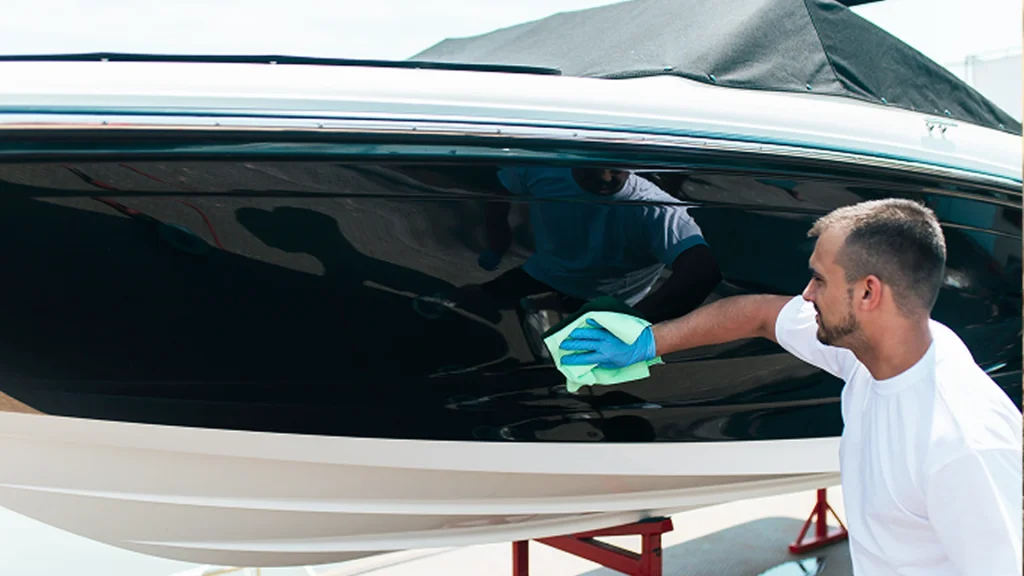
Here’s How to Clean. Drain. Dry.
Once you’ve removed your watercraft from the water:
Clean off all plants, animals and mud from your watercraft and related equipment (e.g. boots, waders, fishing gear). If a power washing station is available, use it.
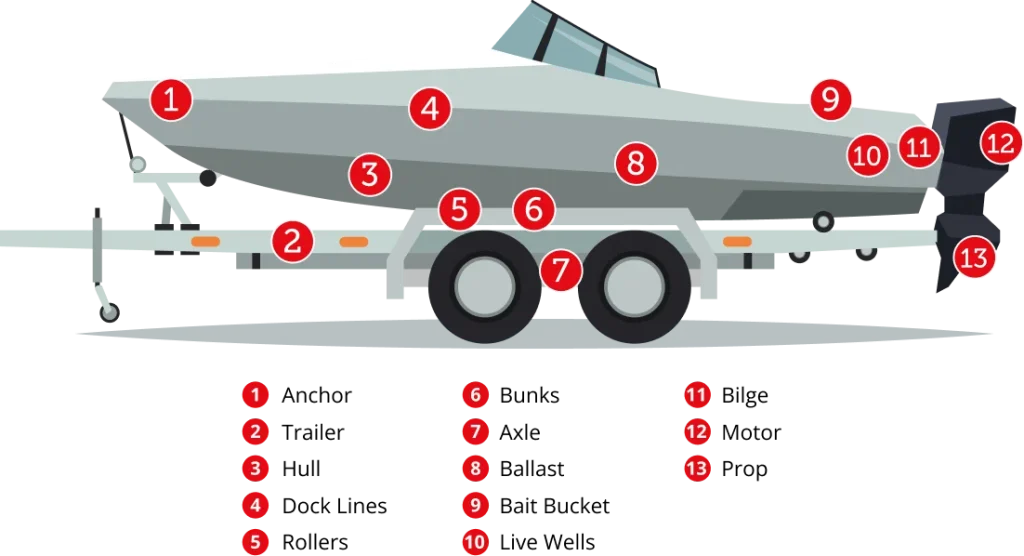
Drain on dry land, and away from storm water drains, ditches and waterways any item that can hold water, such as buckets, wells, bilge and ballast.
Dry all items completely before launching the watercraft into another body of water.
Invasive mussels can also live 30 days out of water, but in a damp space. So, if possible, avoid launching in more than one water body per day to allow the watercraft and gear to dry. Watch this explanatory video on how to properly Clean, Drain and Dry your watercraft.
Download the Boat Checklist to help you know important spots to pay attention to:
Ensure to stop at ALL watercraft inspection stations when visiting.
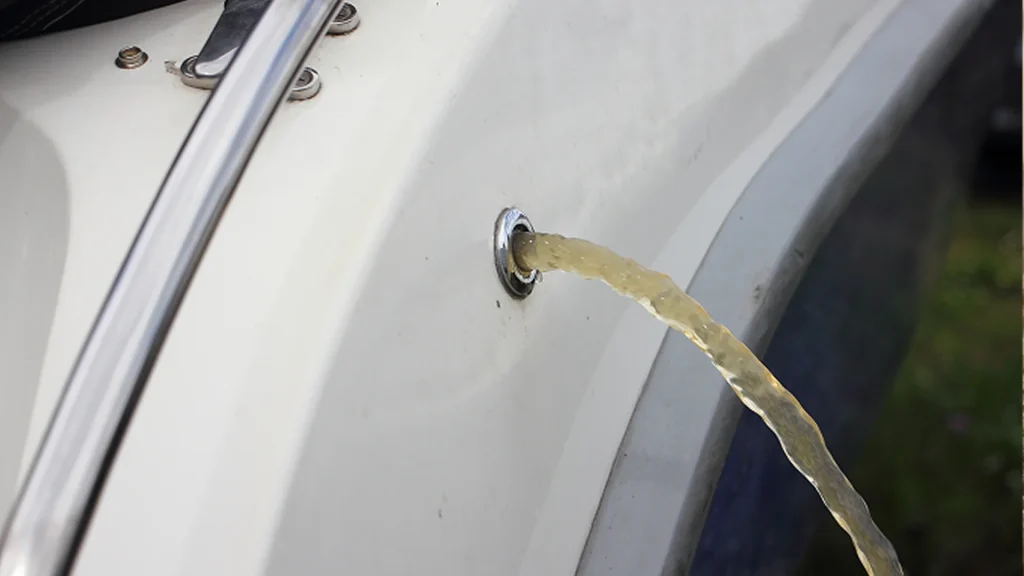
PULL THE PLUG – IT’S THE LAW
Not only is pulling the plug on your watercraft helpful in the “draining” part of the Clean, Drain, Dry protocol, it is now the law in B.C.!
As of May 2024, it is illegal to transport watercraft in B.C. with the drain plug in place. Those travelling with watercraft are required to remove drain plugs and drain all water onto dry land (including all internal compartments, such as ballasts, bilges and live wells) before moving their craft. Operators should also allow their equipment to dry for a minimum of 24 hours before entering new waters.
RENT WATERCRAFT HERE
Coming from a mussel-infested province or state? The best way to protect the Okanagan’s beautiful lakes is to leave your watercraft at home and rent locally instead.
Known Areas of Invasive Mussel Infestation
Invasive mussels are closer than you think. Zebra and Quagga mussels have already been detected in Manitoba, across Eastern Canada, and in several parts of the United States.
View map showing confirmed sightings across the US
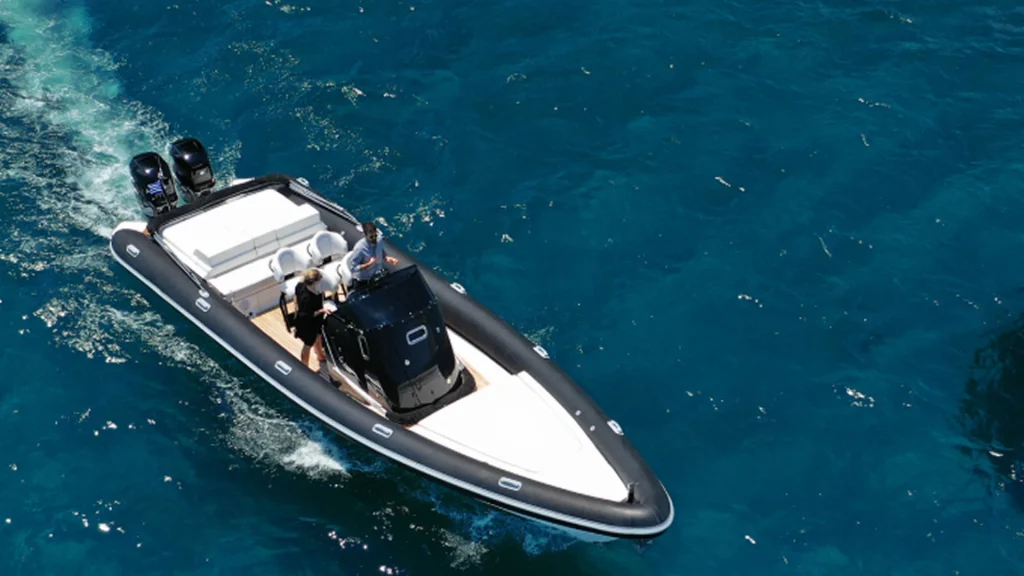
Invasive mussels can easily hitch a ride on boats, paddleboards, and other gear, even when they look clean. Once introduced, these tiny species can cause massive damage to local ecosystems, infrastructure, and tourism. If you’re planning a visit, make a safer choice by renting your watercraft here. It’s convenient, risk-free, and supports local businesses.
If you live in the Okanagan, do your part by encouraging visiting friends and family to rent instead of bringing their own gear, or ensure they stop at every provincial inspection station along the way. One small choice can help keep our lakes mussel-free for everyone to enjoy.
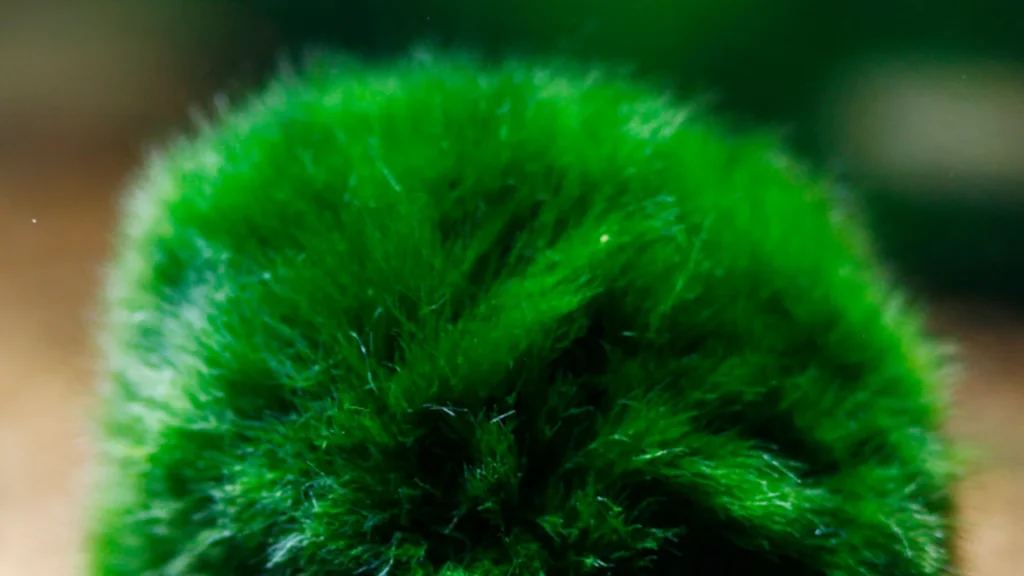
OTHER IMPORTANT FACTS ABOUT INVASIVE MUSSELS YOU SHOULD KNOW
Moss Balls and Aquarium Pets – Don’t Overlook Them
Live zebra mussels have been found in moss (Marimo) balls that were imported from Ukraine into North America. Moss balls are commonly sold in pet and garden stores.
Never release aquarium or water garden pets, plants or water into any waterbody. If you find invasive mussels on your moss balls, report them to the B.C. RAPP line at 1-877-952-RAPP (7277). And to destroy the moss balls, place them in boiling water for at least 1 minute and then let them cool before disposing of them in your household garbage. Or, place them in a plastic bag, zip closed and freeze for at least 24 hours, then dispose in the garbage. And remember, if you have a pet you can no longer care for, find a new home for it (maybe a school, nursing home, or office), or contact your local pet store. And, if you have a fish that dies, make sure to dispose of your pet safely. It’s best to bag it and put it out in the garbage. Do NOT flush your dead fish since they can spread disease.
Mussels Multiply and Spread Rapidly
It wouldn’t take long for Zebra, Quagga or Golden mussels to get established once they arrive. Each female can produce about 1 million eggs per year. And in some areas with warm waters, like Lake Mead, there have been six to eight reproductive cycles a year.
The mussels can be spread unknowingly by boaters, fishers and other well-meaning nature lovers. At their youngest stage, the invasive mussels are the size of a grain of sand. At their largest, they are the size of your thumbnail (1.5 to 2 cm). They are often brought in on boats and other recreational water toys (e.g. kayaks). But they can also come in on hip waders, fishing tackle boxes, life jackets and other objects that have spent time in infested waters.
SPREAD THE MESSAGE
Here are 3 simple ways to help spread the word and protect our waters, economy and lifestyle.

UNDERSTAND THE ISSUE AND HOW TO PREVENT THEM
Zebra, Quagga and Golden mussels put what we treasure most about the Okanagan at risk. Understanding these risks and prevention methods helps preserve the waterways and the unique beauty of our valley.
If you know someone who boats, fishes and travels in and out of the Okanagan with their watercraft, encourage them to:
- Pull the plug when travelling with their watercraft.
- Stop at all watercraft inspection stations.
- Use the Clean, Drain, Dry. method for their watercraft and gear.

USE OUR FREE “SPREAD THE MESSAGE, NOT THE MUSSELS” KIT
Download and share our helpful education kit with family, friends, neighbours, and anyone else who may benefit from knowing the risks zebra and quagga mussels bring to our valley. Each kit includes posters, postcards, a boat checklist, and lots more to help get the word out.

GO SOCIAL!
Zebra, Quagga and Golden mussels spread quickly, with each female producing up to a million eggs annually. Fishers, boaters, and nature lovers can unknowingly spread them.
Help us spread the message. Share this information on your social media platforms and follow us for updates on mussel prevention.
SHARE ON: