INVASIVE MUSSELS ARE MORE
DANGEROUS THAN THEY LOOK.
UNDERSTANDING THE RISKS IS THE FIRST STEP TO MAKING CHANGe.
HERE’S WHAT WE STAND TO LOSE:
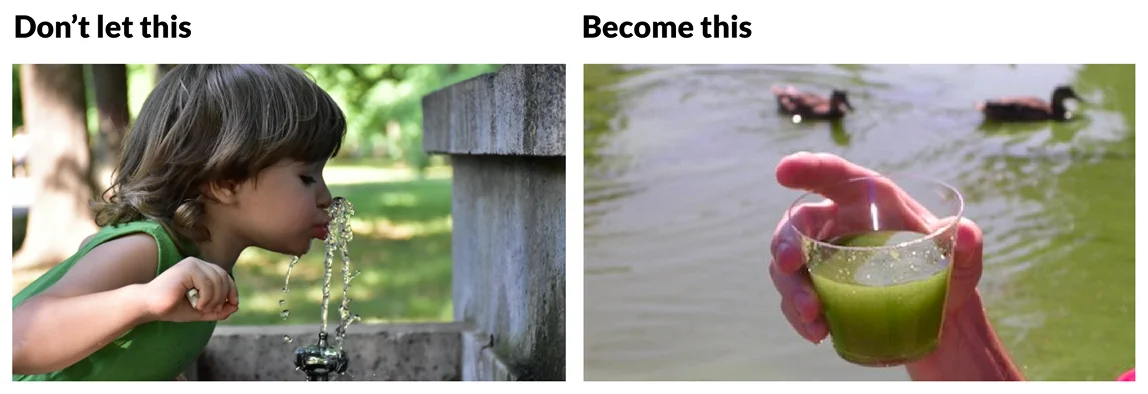
CLEAN DRINKING WATER
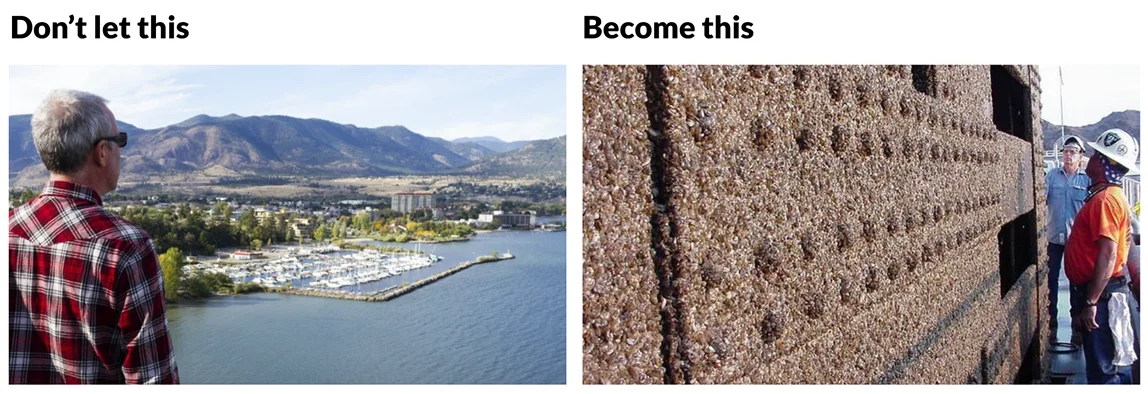
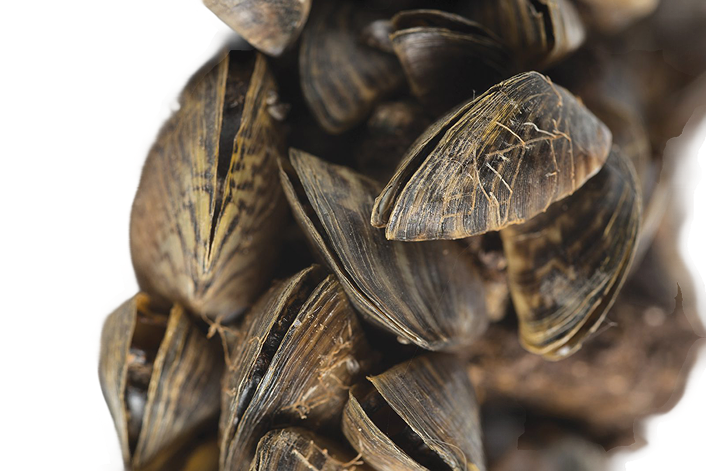
The Okanagan is home to some of the best water in the world. Zebra, Quagga and Golden mussels put this at risk by promoting toxic algae that pollutes our drinking water. These mussels also clog drinking water intakes and distribution systems that cost hundreds of millions of tax dollars just to have them removed and the pipes cleaned or retrofitted.
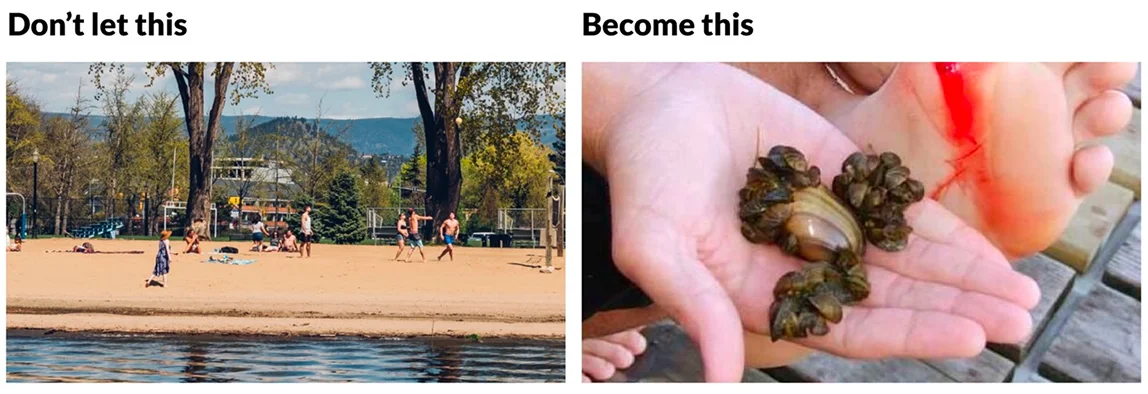
VIBRANT BEACHES
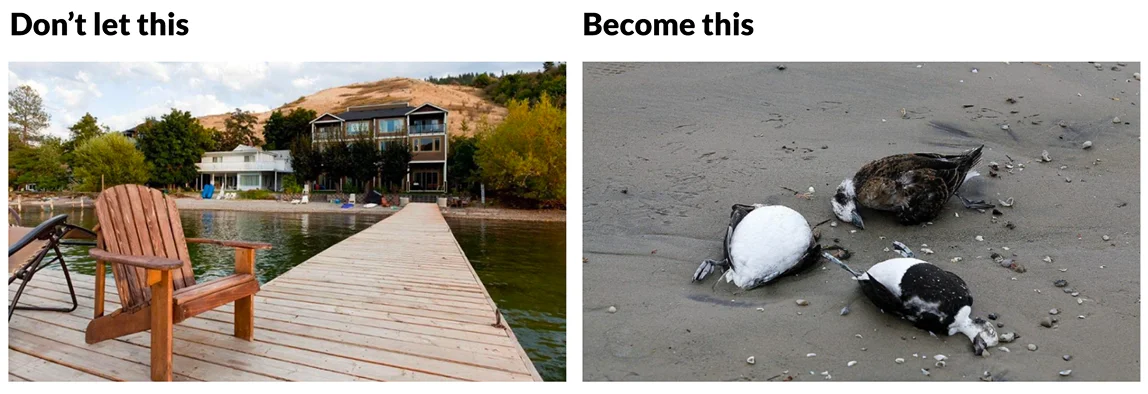
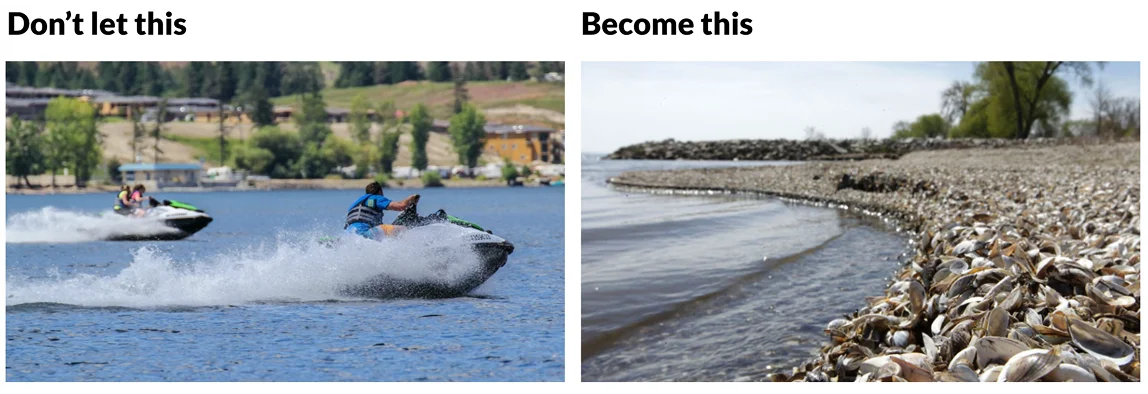
Okanagan Valley is known for its beautiful lakes and beaches, and attracts visitors across the globe. But invasive Zebra, Quagga and Golden mussels ruin beaches, with razor-sharp shells that make it impossible to walk safely on the sand. And when these polluted mollusks die, they wash up along the shoreline, causing foul-smelling piles that significantly change our popular landscape that’s loved by so many.
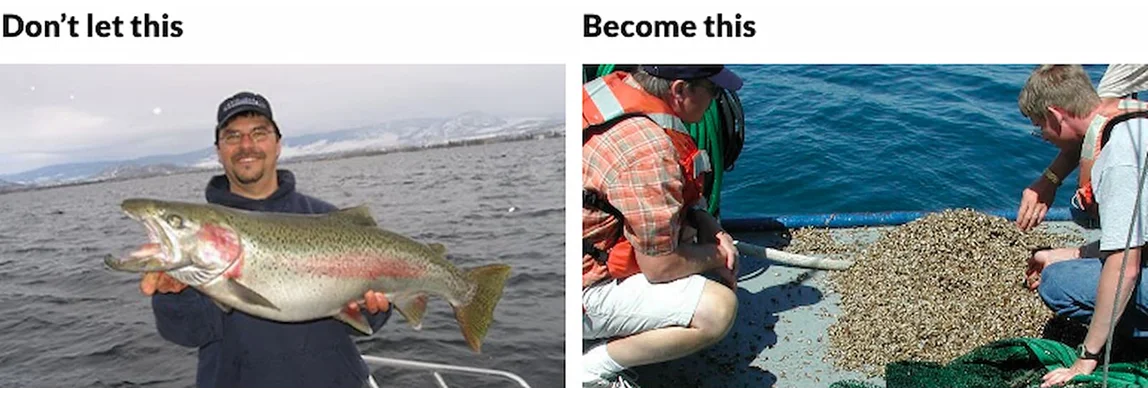
VITAL FOOD SOURCES
Sockeye, kokanee, steelhead, and rainbow trout have been an important food source to the Syilx/Okanagan people and generations of families who have made this region their home. Known as one of Western Canada’s greatest fishing destinations, visitors from around the world come in hope of getting their best catch yet. But our fish are more than a source of food – they also help maintain a healthy freshwater ecosystem and are important part of our economy. Zebra, Quagga and Golden mussels devastate native salmon, depleting their food sources and contaminating water, ultimately, eliminating our sport fishery.
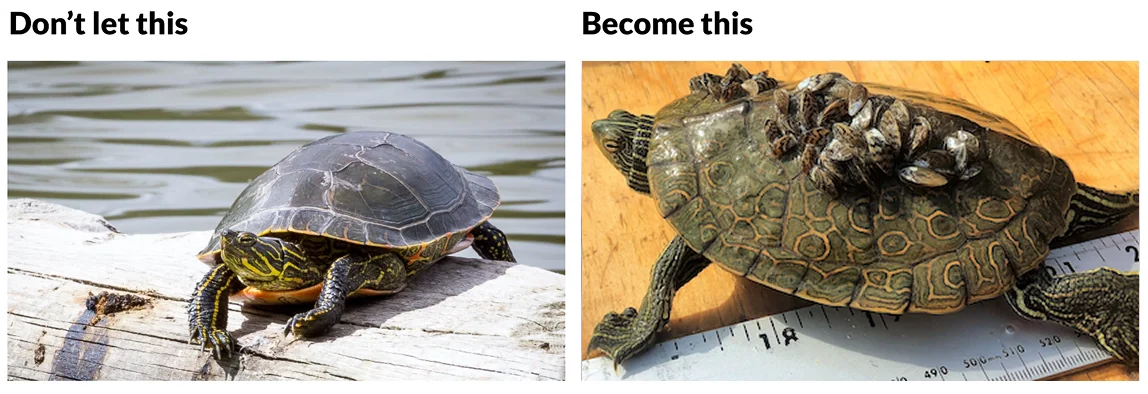
ENDANGERED ECOSYSTEMS
The Okanagan region is valued for its high biodiversity and is home to some of the most endangered species in Canada. Among those at risk is our own native Rocky Mountain Ridged Mussel, a large mussel that can grow almost five inches in length. Zebra, Quagga and Golden mussels outrival native
species for food, causing a negative shift in the food web. In addition, they can create toxic algae blooms that contaminate lake water and kill fish and birds.
PROPERTY VALUES
Many Okanagan residents first came to the region and fell in love with its beauty, deciding to make it their permanent home. Sadly, Zebra, Quagga and Golden mussels can significantly lower value properties, especially those located along the water. The estimated annual loss for just beachfront properties alone is an estimated $10 million and is mainly due to selling expenses and maintenance costs to clean shells around the beach.
TOURISM
Okanagan’s beaches, lakes, wineries, and local hospitality attract a high number of tourists every year. But Zebra, Quagga and Golden mussels jeopardize the tourist industry by affecting a wide range of activities visitors come to enjoy.
For the boating industry, this translates to clogged and corroded motor cooling systems, foul hulls, and jamming centerboard wells under sailboats. The estimated cost to repair these damages, and the subsequent loss of boat and equipment sales, and increased maintenance at marinas and docks is $3.7 million every year. For individual boat owners, the annual cost to fix damages caused by Zebra, Quagga and Golden mussels is between $1,000 and $2,500.
These invasive mussels also pollute both private and public water intakes used to pump water to farms and drinking water treatment plants. This tremendously affects orchards, industry, hotels, restaurants, and other businesses. Without the ability to provide clean water, businesses won’t be able to effectively serve their customers.
Tourists wanting to lounge in the sun at one of our clean beaches, will instead find them littered with stinky sharp shells that make it impossible to walk safely without shoes. And anglers who are eager to catch our native salmon, will find themselves out of luck, thanks to the mussel’s ability to destroy this vital food source.
The impact to tourism employment is estimated at between $12 and $22 million each year.
OVERALL ECONOMY
With its moderate climate and year-round recreational opportunities, the Okanagan has been a place where many people come to retire. And compared to larger cities like Vancouver or Calgary, the lower cost of homes makes it attractive for young families. But when Zebra, Quagga and Golden mussels invade waters and clog power-plants, public-water intakes and pipes, routine treatment for this is expensive, leading to increased utility bills and higher taxes for infrastructure upgrades.
Tourism will also be negatively impacted. Annual losses from the Okanagan fishery are estimated at over $16 million. With the loss of additional spin-off benefits such as boat rentals, hotels and restaurants, this figure could jump to nearly $42 million each year.
RESPONSIBLE RECREATION CHECKLIST.
Whether you’re just visiting to make beautiful memories or live in this stunning region, stopping invasive mussels is everyone’s responsibility.
If you own watercraft, including boats, kayaks, paddleboards and fishing gear, ensure to check all the boxes on the Responsible Recreation Checklist when enjoying the Okanagan’s waterways.
PLAN AHEAD
Plan your route to pass by ALL provincial watercraft inspection stations.
STOP AT ALL INSPECTION STATIONS
It’s mandatory and helps protect our waters.
Pull the Plug, It’s the Law
Drain all bilges and compartments on land—it’s the law in B.C.
Clean. Drain. Dry. – Every Time
Boats, gear, paddle-boards – every trip, every time. Use the Boat Inspection Checklist below for the Clean. Drain. Dry. protocol to ensure you’ve been thorough.
Rent Here, If Coming From Infested Areas
Visiting from a mussel-infested province or state? Rent watercraft locally instead.

PROTECT THE SPOTS YOU LOVE.
STOP INVASIVE MUSSELS.
Find out how you can help get the word out about the dangers of Zebra, Quagga and Golden mussels.